Sunday, July 22, 2012

What is happening to the blossom end?

Ajay Nair
Department of Horticulture, Iowa State University


Lately a number of growers are finding small black spots, often with black concentric rings, on their tomato and pepper fruits. This is a typical symptom of a physiological disorder called blossom end rot. It is caused by lack of calcium uptake from the soil and transfer to the fruits during dry weather. The first symptom of rot is a slight water-soaked area near the blossom end of the fruit. This lesion soon darkens and enlarges in a constantly widening circle until the fruit begins to ripen. The affected area begins to turn black from colonization by saprophytic Alternaria fungal species.  Such fruits become non-marketable and could lead to significant losses. 


Calcium ions mostly move with water in the transpiration stream, up the xylem vessel, toward the upper plant parts. With current drought conditions and moisture stress, plants are not getting enough water and this directly affects calcium uptake. Calcium uptake by fruit can also be affected due to excessive nitrogen fertilization which leads to rapid shoot growth. Rapid shoot growth, occurring simultaneous with fruit growth, causes calcium to preferentially move into growing leaves as opposed to fruits, primarily because of higher transpirational pull from leaves. Transpiration pull from fruit is lower as they are covered with waxy coating. Below are some measures which growers/gardeners could take to mitigate blossom end rot:

1. Supply adequate water especially during high stress period (heat and drought). Uniform watering is critical for a steady flow of water in to the plants
2. Eliminate any other stress (insects, diseases, etc.) by addressing those issues promptly 
3. Avoid excessive use of nitrogenous fertilizers
4. Provide calcium to the plant (calcium fertilizers like calcium nitrate, calcium chloride, or various chelated calcium fertilizer materials). Foliarly-applied Ca fertilizers are not likely to correct or prevent blossom end rot

Sunday, July 15, 2012

Hornworm season


Ajay Nair
Department of Horticulture, Iowa State University


Past few weeks growers have been experiencing foliar damage in solanaceous crops, especially tomatoes and pepper. When observed closely one can spot large green colored caterpillars defoliating the plant. These caterpillars are commonly called hornworms and are fairly common this time of the season. It is extremely important to manage this pest immediately as these are voracious feeders and can defoliate the whole plant in a matter of few days (usually when more than 2 caterpillars present on one plant). The caterpillars blend in with the foliage and are not easy to detect and are often not observed until they cause considerable damage.
Hornworm camouflaged in the pepper plant
There are two kinds of hornworms, tomato and tobacco hornworm, although they are very similar in appearance and biology. The most striking feature of the hornworm is the presence of a "horn" located at the terminal end of their abdomen. This horn is usually "red" in color for the tobacco and "black" for the tomato hornworm. This is an easy way to identify them. There are on an average 2 generations of this pest in Iowa. The adult is a grayish white moth. Most of the damage is caused by the caterpillar and so it has to be controlled at that stage.

Tomato hornworm (notice the black horn) 

Adult tomato hornworm moth (picture courtesy Univ. of Florida) 


A number of synthetic and organic insecticide are available to manage this pest. Some of the common synthetic insecticides are  Asana XL, Sevin, Mustang, and Pounce. Within the synthetic group there are insecticides that have reduced impact on the environment, are less toxic to non-target organisms and humans, and have low pest resistance potential. Some of these reduced risk products include Intrepid, Entrust, Avaunt, and Coragen. Biopesticides have also shown excellent results in managing hornworms. A biological control organism that is highly effective and sold commonly is Bacillus thuringiensis (Bt). Some commercial Bt formulations include Dipel, Biobet, Javelin, and Thuricide. Please follow pesticide instructions accurately while handling the product. 


Tuesday, April 10, 2012

April 10 Frost damage

Ajay Nair, Lynn Schroeder, and Paul Domoto
Department of Horticulture, Iowa State University

Much across Iowa we saw freezing temperatures which gave sleepless nights to a majority of our growers. Unfortunately the temperatures dipped to lower 20's which set the stage for damage on apple blossoms which were 3-4 weeks ahead in bloom. Below are pictures which show some damage to fruit and petal. 

Frost damage on petals
Frost damage to ovary (dead black tissue in the center)


Saturday, March 17, 2012

Season extension with mini-tunnels

Ajay Nair
Assistant Professor
Department of Horticulture, Iowa State University


Short growing seasons are typical in Iowa (although 2012 can change things around!). The risk of frost damage and low soil and air temperatures during the growing season are major constraints for vegetable production. Strategies that help extend growing seasons are thus imperative for successful production of fresh and quality produce. With increased interest and demand for locally grown produce growers are diversifying their production operations and integrating a wide variety of crops into their cropping systems. A crop that could be easily grown and could fetch a good price in the market is lettuce. The following video was recorded in November 2011 and discusses the use of mini-tunnels for lettuce production in October. This study also investigated the effect of row cover and calcium application on fall lettuce (Lactuca sativa L. ‘Ermosa’) production at the Horticulture Research Station, Iowa State University, Ames, Iowa. Three week old lettuce transplants were transplanted on 3 October, 2011on raised beds covered with black plastic mulch. A medium weight row cover was installed over the row cover treatment one week after transplanting.  


Tuesday, March 13, 2012

Transplant Production Workshop (Saturday April 7, 2012)


Ajay Nair
Department of Horticulture
Iowa State University
Department of Horticulture in partnership with The Leopold Center for Sustainable Agriculture is organizing a Vegetable Transplant Production Workshop for home gardeners, vegetable producers, greenhouse growers, and folks interested in growing their own vegetables from transplants.  The workshop titled "Tips and Tricks of Vegetable Transplant Production," is scheduled for Saturday, April 7, 2012 at Horticulture Hall on the Iowa State campus in Ames. The day-long workshop, 9:30 a.m. to 3 p.m., will focus on specific areas of transplant production — greenhouse lighting, water quality, nutrient medium, organic production and pest management. Participants also would have an opportunity to get hands-on experience evaluating transplants grown in different growing medium and different cell sizes. One of the workshop sessions will provide information on some new medium alternatives for vegetable transplant production including dried distiller’s grain with solubles (DDGS) and biochar.
Advantages of transplants are many — uniform growth, robust growth and healthy root system. Production of transplants involves advance planning and optimum use of greenhouse resources. This is critical for vegetable transplants like tomato and pepper that are in the greenhouse for six to seven weeks. Workshop sessions will explain proper sanitation measures, quality seed and growing mediums, and how to manage greenhouse environments so growers can produce healthy, disease free and quality transplants that contribute towards higher yield and productivity.
Registration before April 1 is $15; after that date registration is $20. Access program information and registration by clicking any of the links below:

Saturday, February 25, 2012

Composting is fun !

Ajay Nair
Assistant Professor, Department of Horticulture
Iowa State University

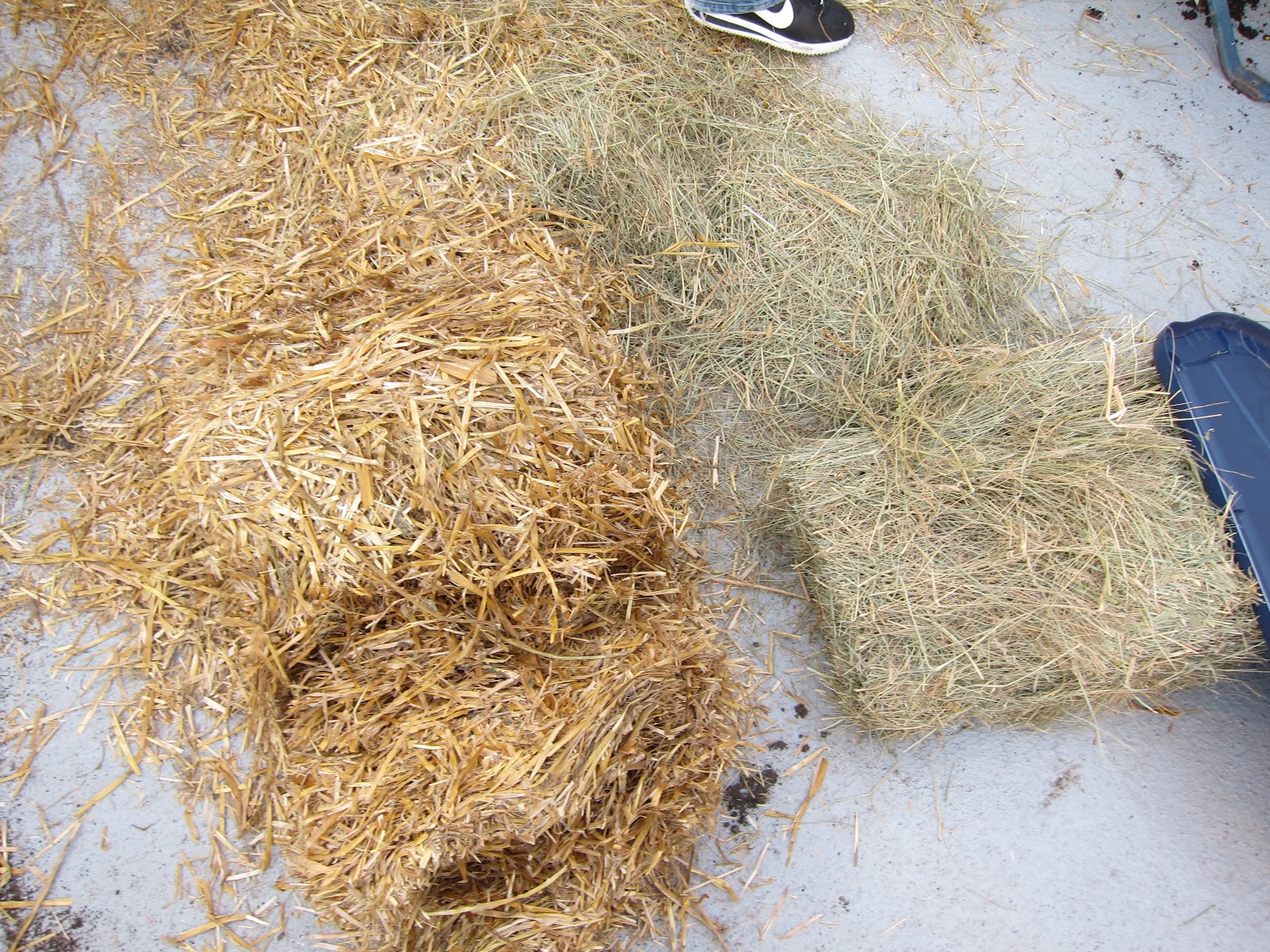
Seems winter has spared Iowa this time (true at least for Ames). Everyone was busy doing something this winter- running, biking, jogging, and for us it was composting ! In January students in the Vegetable Production and Management course (HORT 471) started creating something which is valuable for most vegetable production systems, yes you got it - COMPOST. As part of the course students had hands-on experience in creating a compost pile. The recipe included straw, hay, horse manure (thanks to ISU horse barn), dining waste (thanks to ISU dining services), mature comopst  (from ISU compost facility), straw and water. Students observed the quick change in temperature from 75F on the day of mixing to 160F in 3 days. It was quite an activity and lots of fun ! Cheers to the Compost gang ! Please enjoy the pictures below !


Monday, December 5, 2011

Great Plains Growers Conference January 5th - 7th 2012


I am sure a number of you are aware of the Great Plains Growers Conference in Missouri. Fruit and vegetable growers from across Missouri and the Midwest should make plans to attend the Great Plains Growers Conference and Trade Show on January 5th, 6th and 7th, 2012, at the Fulkerson Center on the Missouri Western State University campus, St. Joseph, Missouri.

The conference will cover many topics including:  fruit and vegetable production, beginning and advanced organic, high tunnel operation, community supported agriculture, agritourism, beekeeping, food safety, farmers market, urban/community gardening, marketing and cut flowers.  The conference also features a trade show with dealers in equipment, tools, seed, chemicals, containers and other horticulture supplies. With all the conference has to offer it is one of the most comprehensive vegetable conferences in the Midwest. A program and registration form is on the web: http://www.greatplainsgrowers.org   or call the Buchanan County Extension office (816) 279-1691.  Pre-registration is open until December 23rd 2011